

My life and my online behaviour
This module helps you notice the patterns in your life and the feelings that sit underneath your behaviour.
Module 2 of 5 · ~25 min · Your pace
This module gets personal. It’s about your life.
Skip anything that feels like too much right now. You can always come back to it.
Remember that we don’t save your answers.
Before we start
Everyone’s story is different.
Two people can have the same harmful sexual behaviour online and completely different reasons behind it.
For some, it might be about wanting more extreme content. For others, it might be about loneliness. There isn’t an explanation that fits everyone.
What matters here isn’t why this happens in general, but what’s happening for you.
The next questions have no right or wrong answers. They’re a way to notice:
- What’s happening in your life at the moment
- What you’re feeling
- What you’re telling yourself
- What this behaviour is doing for you right now
The goal here is to understand your pattern.
When do you most often feel the urge to engage in harmful behaviour?
Pick everything that fits. There are no wrong answers.
Think about the last time you engaged in harmful behaviour. What was happening?
Pick everything that fits. There are no wrong answers.
What did you think in that moment, just before or during the harmful behaviour?
Pick everything that fits. There are no wrong answers.
After thinking about your feelings in that specific moment, you might notice that your body and mood were already changing at that time.
Emotions
Emotions don’t always come as clear words. You might notice them more through your body, your thoughts, or your energy.
You might feel:
- 😞 Low or heavy
- 🔥 Sexual tension or physical energy
- 🌀 Restless or unable to slow down
- 😶 Numb or “nothing much”
- 💭 Wanting quick comfort or distraction
You can pause anytime. Tools are always here when you need them.
Try the tools
What do I typically feel just before an urge?
What was it like after reacting to the urge?
What happens in your mind after you think about what you’ve done?
Sometimes there’s a gap between:
🧠 what you believe is safe and respectful
and
🚶♂️ what you end up doing online.
That gap can feel uncomfortable. Your brain may try to calm the discomfort quickly.
You might start to notice a pattern: your thoughts, feelings, body reactions, and online choices are all linked when harmful sexual behaviour keeps happening.
Understanding sexual feelings
Sexual feelings are part of being human. Everyone has them.
But where you direct those feelings matters. And how you manage them matters.
Understanding the difference helps you know what you actually need.
Sometimes we use the word “sexual feelings” for lots of different things. But there are actually three separate feelings that get mixed together:
- Attraction = being drawn to someone
- Arousal = physical sexual feelings in your body
- Connection = wanting closeness, not feeling alone
These are different. Understanding which one you’re experiencing helps you know what to do.
Which feeling is this?
Tap to reveal
Being drawn to someone, thinking they’re attractive, wanting to be close to them, feeling excited or nervous around them.
What it feels like:
- Thinking someone is good-looking.
- Wanting their attention.
- Feeling butterflies when you see them.
- Hoping they notice you.
Physical sexual feelings in your body, sexual energy, feeling “turned-on”.
What it feels like:
- Physical sensations and responses.
- Sexual thoughts or urges.
- Wanting sexual release or orgasm.
- Physical responses: erection, lubrication.
Important:
- The start of an arousal itself is often automatic, you can’t always control when it starts.
- You can control how you let the arousal build up.
Wanting to feel close to someone, wanting to be understood, not wanting to be alone
What it feels like:
- Wanting someone to talk to.
- Feeling lonely.
- Wanting to feel accepted.
- Wanting to matter for someone.
- Wanting someone to get you.
Important:
- Sometimes connection needs feel confusing or get mixed up with sexual feelings.
What am I actually feeling?
Read each scenario and pick what you think is happening.
Scenario 1
You’re scrolling online late at night. You feel restless and bored. You start thinking about sexual content. What’s happening?
Tap to reveal the explanation.
Probably not quite that.
Attraction usually involves thinking about a specific person. Right now you’re just restless and bored, and sexual thoughts showed up after.
What might be happening: your brain is looking for something to do, something to feel. When you’re bored and alone, it might suggest sexual behaviour because it knows that feels intense.
What you might actually need:
- Something engaging that isn’t sexual
- Connection with someone
- Sleep
Maybe, but look at what came first.
You felt restless and bored first. Then sexual thoughts came up.
What’s often happening: when you’re bored, your brain looks for stimulation. Sexual arousal can be your brain’s way of creating intensity when nothing else is happening.
What you might actually need:
- Something engaging that isn’t sexual
- Go where other people are
- Sleep (night + restless = often just tired)
Yes, often this.
Late at night, alone, scrolling = there’s usually loneliness underneath.
What’s happening: you’re probably feeling disconnected or alone. Your brain might be mixing up “I feel alone” with “I want sexual content.”
What actually helps:
- Reach out to someone your age or a trusted adult, even just a text
- Go where people are instead of being alone
- Do something tomorrow that involves other people
Yes, this is often true.
Bored → lonely → restless → arousal, all at the same time. Your brain is trying to solve several things at once, and it suggests sexual behaviour as a shortcut.
What’s happening — you have several needs:
- Stimulation: you’re bored
- Connection: you’re alone
- Rest: it’s night
What actually helps:
- Connection
- Something engaging
- Sleep
Not the sexual urge that’s covering them up.
That’s okay, this is confusing sometimes.
Ask yourself:
- “What was I feeling right before sexual thoughts came up?” — That’s usually the real feeling.
- “If I do something sexual now, what feeling am I trying to fix?” — That tells you what you actually need.
In this scenario: you were bored and restless first. The sexual thoughts came after,probably trying to solve the boredom.
What actually helps:
Do something about the boredom or restlessness first, before addressing any sexual feelings.
Scenario 2
You see someone your age at school and think they’re attractive. You feel nervous and excited around them. What’s happening?
Tap to reveal the explanation.
Yes, this is normal attraction.
You’re drawn to someone your age. You feel excited and nervous. This is healthy and normal.
What it means: this is what attraction to peers feels like. It’s different from sexual behaviour directed at children.
What you can do:
- Notice this feeling,it’s okay to have it
- If you want, talk to them or try to get to know them
This is part of healthy social and sexual development
Maybe, this can be part of it.
When you’re attracted to someone, you might also feel aroused. That’s normal.
What matters: Both the attraction and the arousal are directed at someone your age. This is healthy.
What you can do: notice these feelings. They’re normal parts of being interested in someone your age.
Probably also part of it.
When you’re attracted to someone, you usually also want to connect with them — talk, be noticed by them, get to know them.
What it means: attraction often includes wanting connection. That’s normal and healthy.
What you can do: if you want connection with this person, try talking to them or being around them in normal social ways.
Yes, attraction usually involves multiple feelings.
You might:
- Feeling attracted (think they’re good-looking)
- Feeling aroused (physical response)
- Wanting connection (want to know them)
- Feeling nervous (worried about how you come across)
What matters: all of this is directed at someone your age. This is normal and healthy.
That’s okay.
Here’s what’s probably happening: you think someone your age is attractive, and that made you feel excited and nervous.
What matters: this is normal attraction to a peer. These feelings are healthy.
You don’t need to do anything about it unless you want to. But noticing “I feel attracted to people my age” is useful information, it means your brain can respond to age-appropriate attraction.
Scenario 3
You see a much younger child at school/hobbies/work and think they’re sexually attractive. You feel excited and want to be around them.
Tap to reveal the explanation.
Yes, it can be attraction, but this kind of attraction is unsafe.
Healthy sexuality happens between people who are similar in age and maturity. Younger children are not yet able to fully understand what they’re agreeing to, what it involves, or what could happen.
Maybe also happening. When you’re attracted to someone, you might also feel aroused.
What matters: the attraction and possible arousal are directed at someone much younger than you. This is unsafe.
If this is happening for you, it’s important not to face it alone. You already took a brave step by continuing this programme, and there is more professional help available. A professional will support and guide you with care.
It could be that you find it easier to be around much younger children than people your age. That can happen for different reasons, and it’s important to understand why.
If you often find yourself trying to build connections with children much younger than you, it’s important not to face this alone. A later module covers practical ways to build safer, healthier connections.
Practical ways to build connections
In some cases, there can be attraction or arousal too, BUT this kind of attraction or arousal is unsafe. If this is happening to you, it’s important not to face it alone. A professional will support and guide you with care.
Three feelings that get mixed up
Sometimes three very different feelings show up at the same time and get mixed together.
Arousal
Arousal is a physical feeling in your body. The start is automatic. It is about physical sensation.
Attraction
Attraction means being drawn to someone. This can show up as a physical attraction (for example, “getting butterflies”), but also as wanting to be noticed by them.
Connection
Wanting to feel close to someone, to feel understood, to not be alone.
It can be easy to mix them up. Here’s an example:
You’re alone at night. You feel restless, like something is missing. Your brain reaches for sexual content because it knows it creates relief fast.
But the restlessness wasn’t about arousal. It was about needing connection. The urge gets met, but the restlessness comes back.
Your brain always looks for the fastest way to change how you feel. But knowing the difference between arousal, attraction, and connection gives you something useful.
Next time an urge happens, ask yourself:
What am I actually feeling? What do I need?
Do you watch adult porn?
Sexual curiosity is normal. Adult porn is easily accessible online. For many people, it’s the first place they learn about sex — but it’s not an accurate picture of sexuality, bodies, consent, or genuine connection.
Active adult porn use often follows a cycle:
- Something triggers an urge
- You watch adult porn
- You feel relief
- You want to feel relief again, but the old material doesn’t satisfy your urge
- You search for more extreme material
Eventually, you end up somewhere harmful.
What would best describe your situation right now?
Select all that apply
The more boxes you ticked, the more the cycle is running you rather than the other way around.
Before you go further, the legal reality
This might feel uncomfortable to read. That’s okay, it’s important and worth knowing.
Fact
Sexualised images of children and images where a child is sexualised is hurting the child every time someone views or shares their images. It’s like ongoing trauma, when their images are used for sexual purposes time and time again as they feel they don’t have any control.
Fact
Images and videos that sexualise children are illegal in many countries. This means that using this content is a crime and might lead to police investigation.
Fact
Viewing, downloading, or saving this content is a criminal offence in most countries, even if you never created it.
Fact
Children and young people can and do face legal consequences. Depending on the country you live in, these can include:
- A criminal record that can affect your school and future jobs
- Being removed from your home during an investigation
- Being added to a sex offender registry, sometimes for life
- Juvenile court involvement
Even if you’re not over the age of criminal responsibility, you or your parents can be ordered to pay financial compensation to the victims.
Fact
Not knowing someone’s age is not a legal defence. If there is any doubt about whether someone in sexual content is under 18, you must not view it.
Reading that might have left you feeling like there’s no way out of this. There is.
Fact
Help exists,and people change. Services in many countries support people with these thoughts and behaviours, and you’re using one of them right now. Wanting to change is the point at which change starts, and you are already working on it.
🌳 🏠The offline life and why it matters
What’s happening in your life outside the screen affects what you do online.
Looking at your offline life helps you notice:
- When urges are more likely to start
- What makes them stronger
- What harmful sexual behaviour is doing for you at that moment
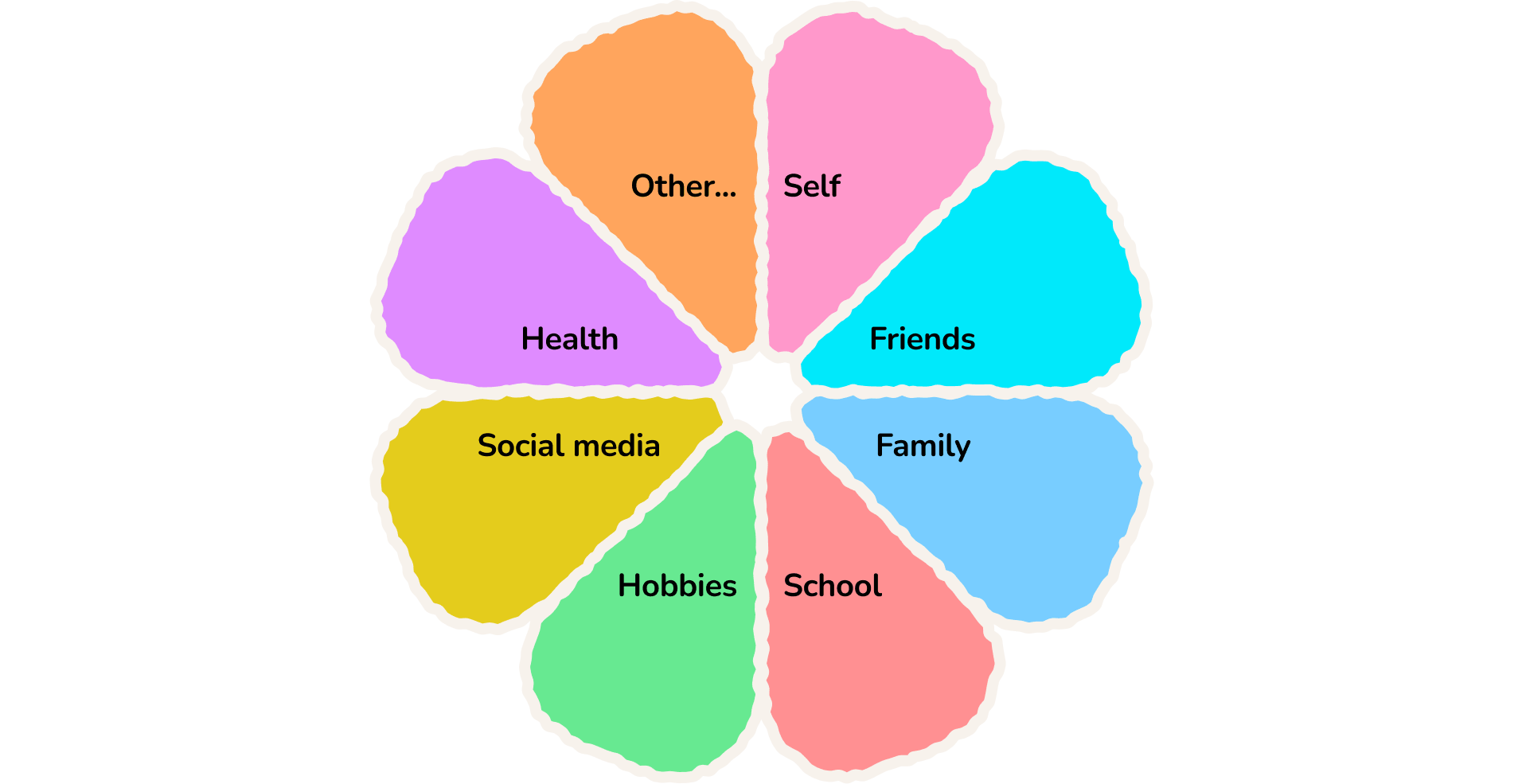
Which part of you or your life feels stressful or disconnected right now?
Select all that apply
My life and emotions at the moment
A series of quick check-ins — there are no right or wrong answers.
How okay does your life feel right now?
How much is your online behaviour getting in the way of the life you want?
How ready are you to make a change, even a small one?
What emotion do you notice most often in your everyday life?
Select all that apply
A sense of unease or tension
Neither positive nor negative
Irritability or low mood
Mental or physical exhaustion
Uncertainty about yourself or your situation
Self-consciousness or shame
Feeling disconnected from others
A sense of calm
Joy or satisfaction
Frustration or inner tension
Unhappiness or remorse
Fear or dread
Something not listed here
Reflection exercise
How would your days change if you stopped the harmful sexual behaviour?
What feels important to you right now, even if it’s small?
You might write about 👥people you care about, 🎯 something you want to improve, 🎮hobbies or safe things you enjoy, 🧠 feeling more in control…
You just did something that takes real honesty.
Well done! Keep moving toward a healthier every day life!
Key takeaways
Your online behaviour is connected to what is happening in your offline life. Every urge has something underneath it. That something is worth knowing. Understanding your pattern is the first step to changing it.
Take a break or continue to Module 3, where things get practical. You’ll find the exact point in your cycle where change is possible.

Module 3
Break my habit
~20 min reading
A note about your experience
A note if you’ve been sexually exploited, abused or exposed to content that sexualises children or child sexual abuse material when you were younger: What happened to you was not your fault. Coping with trauma might lead to confusing harmful sexual behaviour, but there is help available, you deserve support for it.
Find support I understand